
TMS Therapy for Veterans: A Lifeline for Mental Health Challenges
Key Takeaways
- Veterans face high rates of depression, PTSD, and anxiety due to combat exposure and military service stress.
- TMS therapy provides a non-invasive, medication-free option for veterans with treatment-resistant depression who have not found relief through traditional treatments.
- TMS targets mood-regulation circuits involved in depression, while trauma-related uses should be discussed as off-label care.
- Veterans can receive TMS treatment while maintaining their daily routines without significant side effects.
- Diamond Edge TMS offers expert transcranial magnetic stimulation therapy designed to help veterans with treatment-resistant depression. Schedule an appointment to learn whether TMS fits your treatment plan.
The Mental Health Crisis Among Veterans
Military service demands extraordinary sacrifice and resilience. Veterans face unique stressors during and after their service, including combat exposure, separation from family, frequent relocations, physical injuries, and the challenge of transitioning back to civilian life. These experiences take a significant toll on mental health, contributing to high rates of depression, PTSD, anxiety, and substance use disorders among veteran populations.
Statistics paint a sobering picture of veteran mental health. According to recent data, approximately 11 to 20% of veterans who served in Operations Iraqi Freedom and Enduring Freedom have PTSD in a given year. Depression rates among veterans significantly exceed those in the general population. Perhaps most tragically, veterans die by suicide at rates higher than civilians, highlighting the urgent need for effective mental health interventions.
Despite the availability of mental health services through the VA and other organizations, many veterans struggle to find treatments that work for them. Traditional approaches like medication and therapy help some veterans but leave others still suffering. This gap in effective treatment creates a critical need for innovative approaches like TMS therapy.
Understanding Veteran Mental Health Challenges
Veterans often experience trauma differently than civilian populations. Combat veterans may have witnessed or participated in life-threatening situations, lost fellow service members, or sustained physical injuries. Even veterans who did not see combat face stressors like military sexual trauma, training accidents, or the cumulative stress of military culture and deployment cycles.
These experiences can lead to complex PTSD, where symptoms develop from repeated trauma rather than a single event. Veterans may struggle with hypervigilance, emotional numbness, anger and irritability, difficulty trusting others, survivor's guilt, and a profound sense of disconnection from civilian life. Many veterans describe feeling like no one understands what they went through, creating deep isolation.
Depression and Anxiety in Veteran Populations
Depression among veterans often co-occurs with PTSD but can also develop independently. The transition from military to civilian life, loss of military identity and purpose, chronic pain from service-connected injuries, and difficulty finding meaningful employment all contribute to depression. Veterans may experience persistent sadness, loss of interest in activities, fatigue, difficulty concentrating, and thoughts of hopelessness.
Anxiety disorders are also common among veterans. Generalized anxiety disorder, panic disorder, and social anxiety can all develop during or after military service. Veterans may find themselves constantly on edge, avoiding crowds, struggling with unexpected noises or situations that trigger memories, and having difficulty relaxing even in safe environments.
Traditional Treatments and Their Limitations for Veterans
The Department of Veterans Affairs provides comprehensive mental health services, including individual and group therapy, medication management, residential treatment programs, and crisis intervention. Evidence-based therapies like Cognitive Processing Therapy and Prolonged Exposure Therapy have helped many veterans process trauma and reduce symptoms.
However, access to VA mental health care can be challenging. Long wait times for appointments, geographical barriers for rural veterans, and the bureaucracy of the VA system can delay or complicate treatment. Some veterans prefer to seek care outside the VA system for privacy reasons or to have more control over their treatment choices.
Why Some Veterans Need Alternative Options
Antidepressant medications help some veterans but come with drawbacks that make them unsuitable or undesirable for others. Side effects like weight gain, sexual dysfunction, emotional blunting, and fatigue can significantly impact quality of life. Veterans who take multiple medications for service-connected physical conditions may want to avoid adding more medications and potential drug interactions.
Some veterans have tried several different medications without finding adequate relief, a situation known as treatment-resistant depression. For these individuals, continuing to try new medications may feel discouraging and ineffective. Others may have medical conditions or take medications that contraindicate the use of standard antidepressants.
Talk therapy provides valuable support and coping strategies, but some veterans find that therapy alone does not sufficiently reduce their symptoms. The most severe symptoms of PTSD and depression can actually interfere with a veteran's ability to engage fully in therapy. These limitations create a need for treatment approaches that work differently than traditional options.
How TMS Therapy Benefits Veterans
TMS therapy represents a fundamentally different approach to treating treatment-resistant depression. For PTSD and anxiety, evidence is still developing and use should be discussed as off-label or adjunctive care. Instead of using medications that affect the entire body, TMS uses focused magnetic pulses to stimulate specific brain regions involved in mood regulation and emotional processing. The therapy was FDA-cleared in 2008 for treatment-resistant depression based on pivotal clinical trial data.
Research has identified that certain brain areas show abnormal activity in people with depression, and related trauma circuitry is an active area of TMS research. The dorsolateral prefrontal cortex, which helps regulate emotions and executive function, often shows decreased activity. Trauma-related fear circuitry is also being studied, but PTSD treatment with TMS remains off-label.
TMS therapy targets these specific brain regions, delivering magnetic stimulation that helps normalize neural activity. Over the course of treatment, this stimulation can strengthen neural pathways, improve communication between brain regions, and restore more typical patterns of brain function. For appropriately selected depression patients, the result can be meaningful symptom reduction without adding another medication.
A typical TMS treatment protocol involves sessions five days per week for four to six weeks. Each session lasts approximately 5 to 40 minutes. During treatment, veterans sit comfortably in a chair while a magnetic coil is positioned against their head to deliver the therapy. The procedure requires no anesthesia and allows patients to remain fully awake and alert throughout.
Here’s what else you can expect:
- Sessions fit relatively easily into daily schedules
- There is no recovery time needed after each session
- Patients can drive themselves to and from appointments
- Patients can continue working during treatment.
This convenience makes TMS accessible for veterans balancing family responsibilities, employment, or education.
Success Stories and Research Supporting TMS for Veterans
Multiple research studies have demonstrated TMS therapy's effectiveness for treatment-resistant depression in veteran populations. Studies show that veterans with treatment-resistant depression often achieve significant symptom improvement through TMS when previous medication trials have failed. Response rates for veterans receiving TMS are comparable to or better than those seen with additional medication trials.
Research specifically examining TMS for PTSD in veterans shows promising results, but PTSD treatment remains off-label and should be framed as investigational or adjunctive care. Those early studies report reductions in PTSD symptom measures, but they do not make PTSD a covered or established indication in the same way treatment-resistant depression is.
The durability of TMS results is another important consideration. While individual experiences vary, research suggests that many patients maintain improvement for months or even years after completing treatment. If symptoms do begin to return, maintenance TMS sessions can help sustain benefits over the long term.
Accessing TMS Therapy as a Veteran
TRICARE covers TMS therapy for treatment-resistant depression when you meet medical necessity criteria. This coverage is available to active-duty service members, Guard and Reserve members, recently separated veterans with active TRICARE benefits, and military family members enrolled in TRICARE Prime, Select, or Reserve Select. TRICARE For Life beneficiaries also have access to TMS coverage when combined with Medicare benefits.
To access TRICARE coverage for TMS, you typically need documentation showing you have tried and not adequately responded to at least two different antidepressant medications. The process involves obtaining a psychiatric evaluation and prior authorization from TRICARE. Diamond Edge TMS works directly with TRICARE and can help guide you through the authorization process.
Why Choose Diamond Edge TMS for Veteran Care
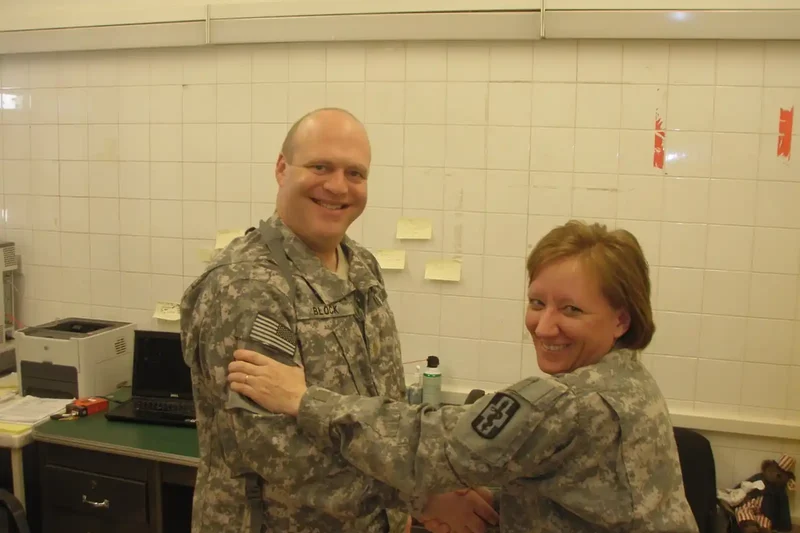
Diamond Edge TMS understands veteran mental health from a uniquely informed perspective. Dr. Jerald Block, the founder and lead psychiatrist, is an Army veteran who served three combat deployments. His combination of military service and 25 years of psychiatric experience provides genuine insight into the challenges facing veterans. Dr. Block is registered with TRICARE and brings both clinical excellence and authentic military experience to veteran care.
Diamond Edge TMS provides comprehensive support for veterans throughout their TMS therapy journey. The practice offers flexible scheduling to accommodate veteran needs, confidential and respectful care that honors military service, assistance with TRICARE and insurance authorization, and personalized treatment plans that consider each veteran's unique military experience and circumstances.
The treatment environment reflects a commitment to veterans. Diamond Edge TMS creates a comfortable, judgment-free space where veterans can focus on healing without concerns about stigma or privacy.
Begin Your Healing Journey with Diamond Edge TMS
Veterans have sacrificed so much in service to their country. They deserve access to advanced mental health treatments described with clear, accurate expectations. Diamond Edge TMS is committed to providing veterans with compassionate, expert care that honors their service and supports their recovery.
If you are a veteran struggling with treatment-resistant depression, transcranial magnetic stimulation may offer the relief you have been seeking. If PTSD or anxiety symptoms are also part of your picture, Dr. Block can discuss how TMS fits alongside evidence-based care and what remains off-label. Contact Diamond Edge TMS today to schedule a consultation and learn more about whether TMS therapy is appropriate for your care
Frequently Asked Questions
Does TRICARE Cover TMS therapy for veterans?
Yes, TRICARE covers TMS therapy for treatment-resistant depression when medical necessity criteria are met. Diamond Edge TMS works directly with TRICARE to help navigate the authorization process.
Can TMS help with both PTSD and depression?
Many veterans experience co-occurring PTSD and depression. TMS is established for treatment-resistant depression, while PTSD symptom improvement is an active research area and remains off-label. Dr. Block can discuss whether TMS should be part of a broader treatment plan that also includes evidence-based PTSD care.
Will TMS interfere with medications I take?
TMS therapy typically does not interfere with medications taken for physical health conditions. However, your provider will review your complete medication list during the initial consultation to ensure TMS is appropriate for your situation. Most veterans can safely receive TMS while continuing their existing medications.
How soon will I notice improvement from TMS treatment?
Response times vary among veterans. Some individuals begin experiencing symptom improvement within a few weeks, while others may not notice significant changes until completing several weeks of treatment. Completing the full prescribed treatment course gives TMS the best opportunity to provide maximum benefit.
Can I receive TMS treatment if I have metal implants from my military service?
Certain types of metal implants may preclude TMS treatment, while others are perfectly safe. Veterans with shrapnel, implanted medical devices, or other metal in or near their head should discuss this during the initial consultation. Dr. Block will carefully review your medical history and determine whether TMS is safe and appropriate for you.
Ready to take the next step?
Diamond Edge TMS is accepting new patients in Vancouver, WA.
Request an appointment or call (360) 838-3654.